How will I get in?
Arrival, collection, transport and who will meet you are agreed before the first day.

For families & young people
A calm, structured place to rebuild routines and confidence for part of the week. pathways works alongside school, and you can visit before deciding.
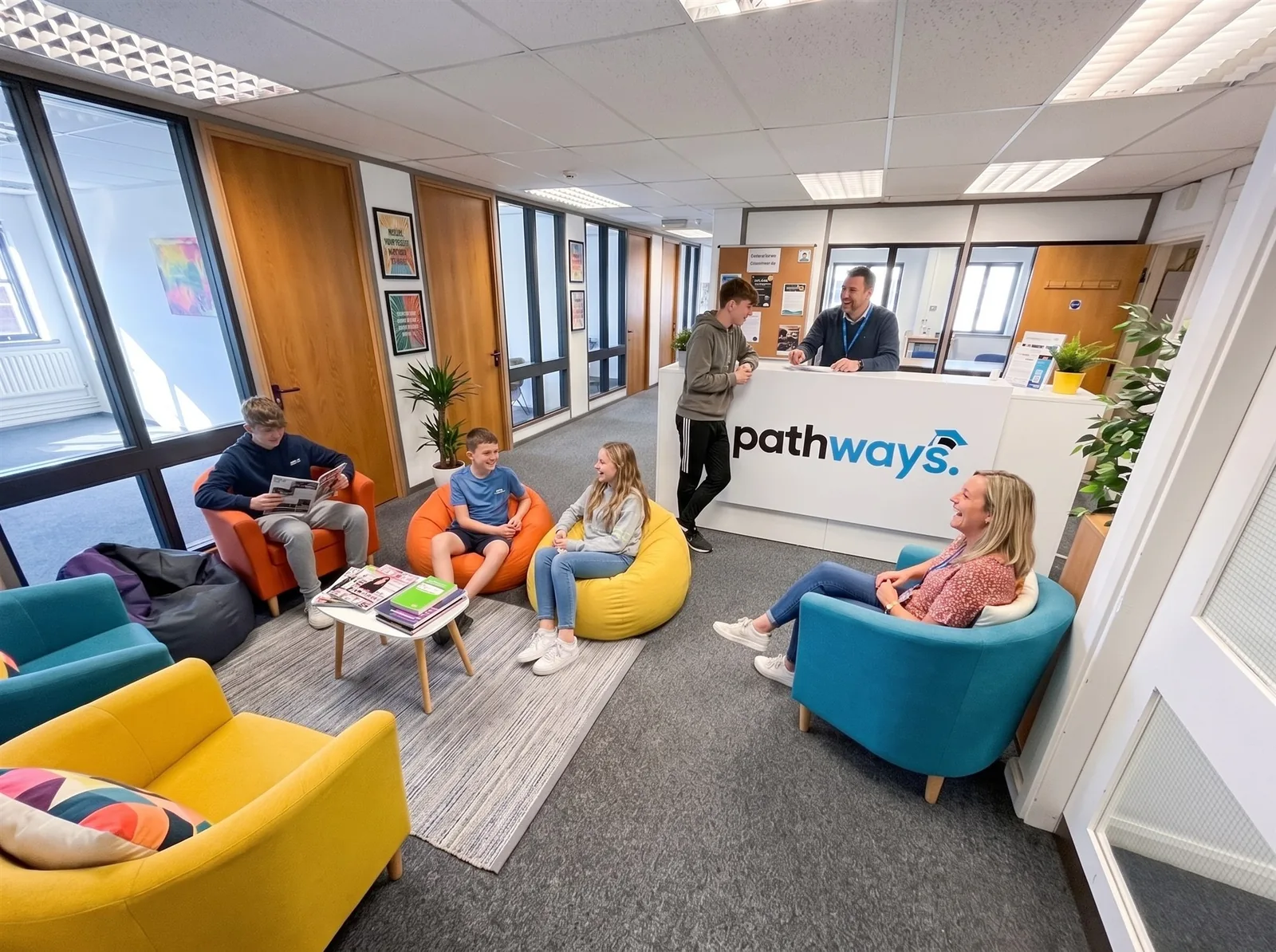
Choose where to start
Your first visit
If pathways may be suitable, the pupil, parent or carer and a member of school staff can visit together. Visits usually happen while the provision is quiet.
Parking and drop-off are beside the pathways units.
See the rooms, shared spaces and where a typical day begins.
There is time to meet the team and ask practical questions.
A visit provides information; it does not commit anyone to a placement.
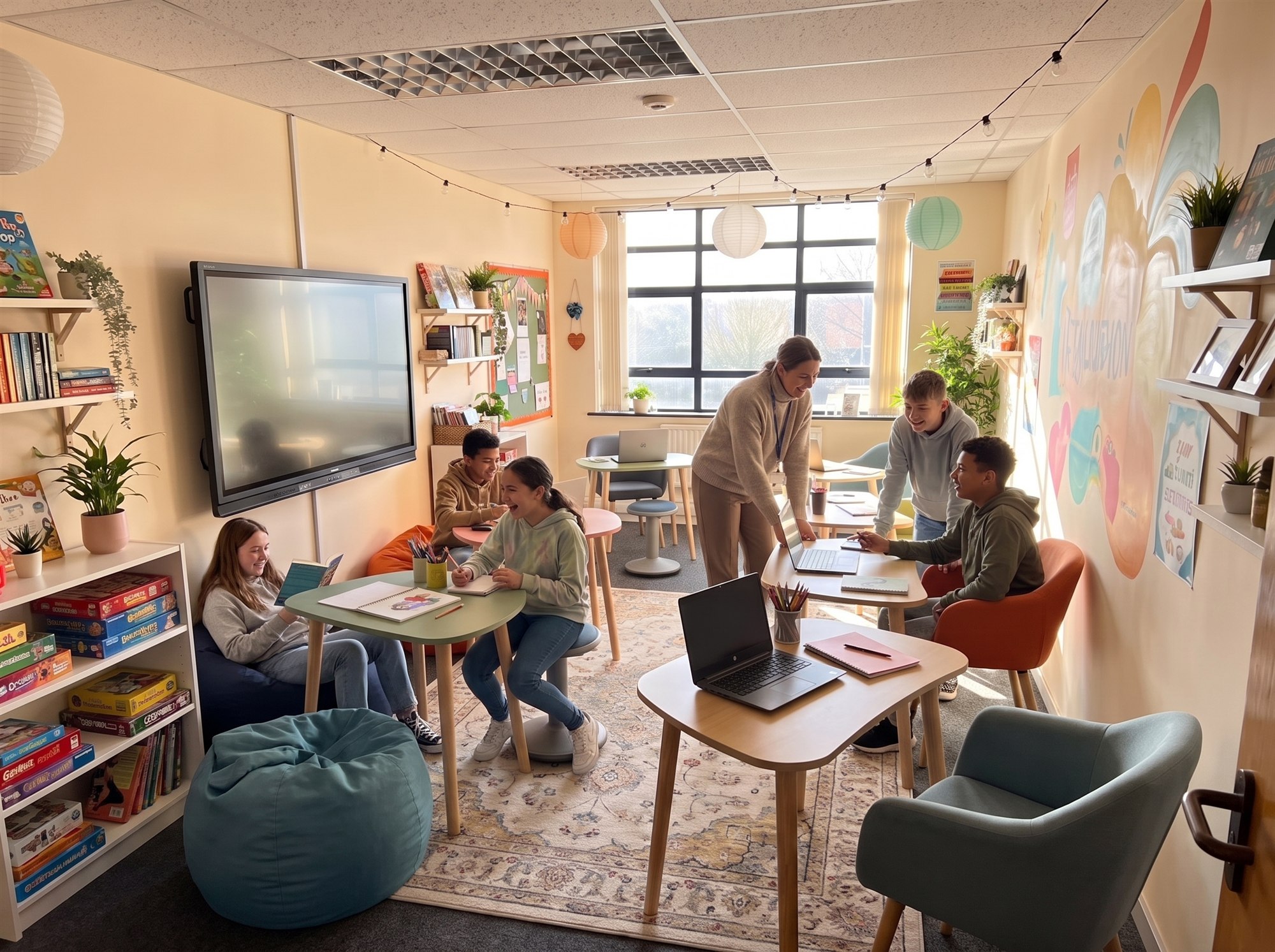
What the day includes
There are English and maths sessions, attendance and engagement work, breaks, lunch and time for a foundation or personal project. Pupils also finish the day with recognition, celebration and recreation.
The programme has a predictable rhythm, but staff can adapt it where needed to support welfare. Pupils are asked to try, take part at a manageable pace and be open to support. Progress can move at different speeds.
Before the first day
The individual plan confirms the details below, so a young person does not have to guess.
Arrival, collection, transport and who will meet you are agreed before the first day.
The team explains break spaces, lunch arrangements and anything you need to bring.
Ask what to wear, where phones are kept and whether your learning or project needs anything particular.
Staff can help break the next step down and use the strategies agreed with you, school and family.
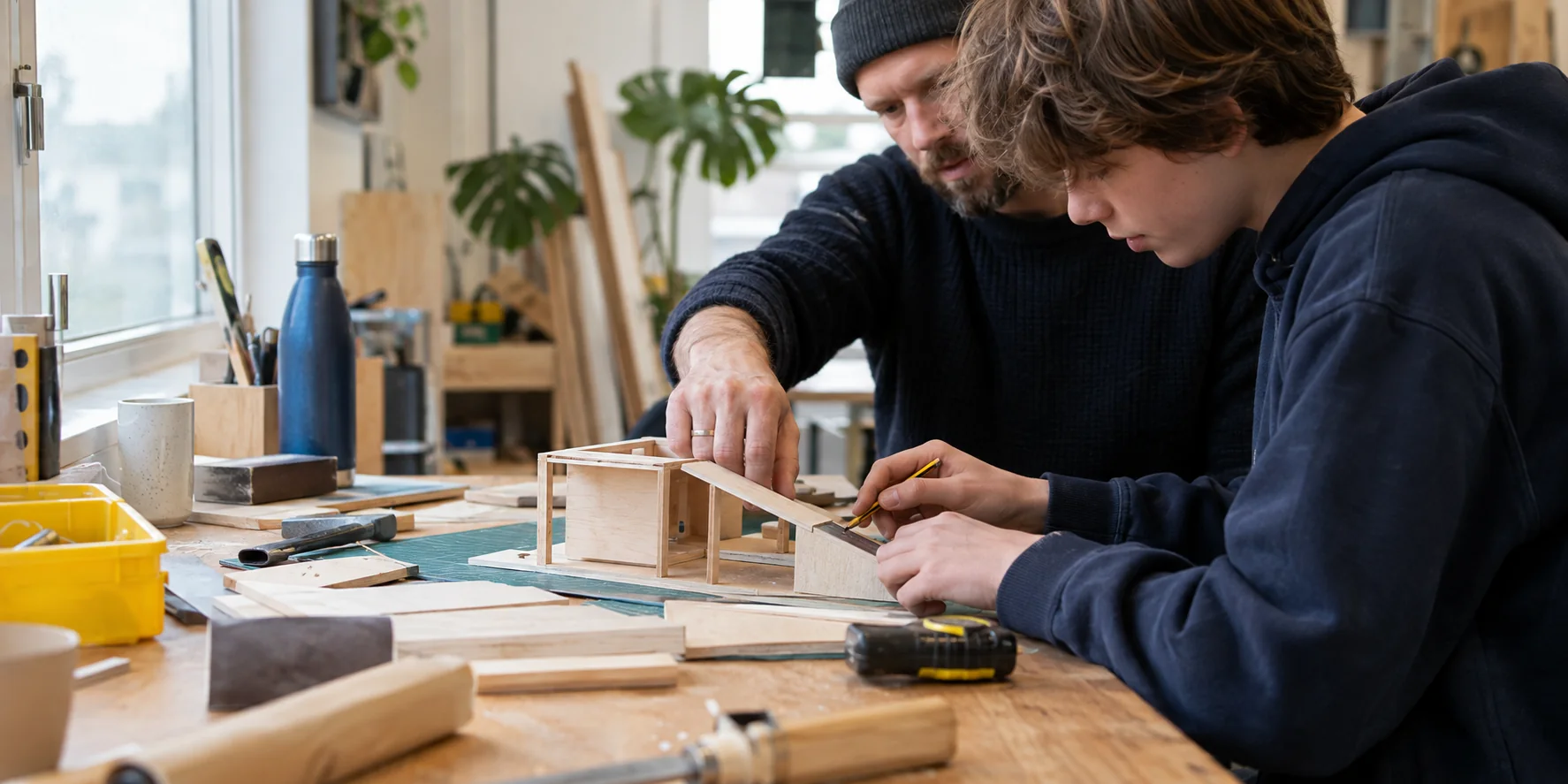
Your personal project
You will have the opportunity to build a project around something you genuinely care about. You do not need to arrive with a polished idea, and it does not have to sound like a traditional school subject.
pathways staff will help you turn an interest into a realistic project with clear steps and something you can feel proud of at the end.
01Something you enjoy
→02An idea to develop
→03Something you can share
Idea starters
There is no fixed list. The exact outcome depends on the time, materials and support available, and is agreed with you before the practical work begins.
Not sure yet? That is completely fine. Part of the process is discovering what holds your attention.
Common questions
pathways provides supplementary education and attendance support. Pupils stay connected to and continue attending their school as part of the agreed programme.
pathways supports up to 16 pupils at one time. The exact make-up of sessions can vary according to the programme and pupil needs.
Arrival is between 9:20am and 9:45am. The normal programme runs from 9:30am to 2:30pm, with departure or collection at 2:30pm.
Yes. English, maths and classroom-based learning remain important, alongside targeted attendance work and personal projects.
Yes. It starts with an interest, question or skill that matters to you. Staff help shape it into something realistic for the time, materials and support available.
There is a clear daily structure so routines feel predictable. Sessions can vary to respond to specific needs and support pupil welfare.
This is confirmed before the first day because arrangements can vary. You can ask about clothing, lunch, phones, transport and anything needed for a personal project during the visit.
You can tell a member of staff. The team can make the next step clearer, revisit agreed strategies and share useful information where appropriate.
Progress is reviewed with school and family. A final showcase can celebrate the pupil’s work, followed by planning for stronger engagement with their main education provider.
Ask a question
Families can speak to the school involved in the pupil’s plan or contact the pathways team for general information. School professionals use the referral form.